
To design something is to be an expert mediator. Designers are balancing a lot. Their work has to allow something to function as intended while simultaneously communicating when and how it is intended to be used. Their design language has to communicate appropriate levels of quality, as well as the environments/situations in which that something is to be used.
The choices a designer makes are a balancing act across dozens of related disciplines, distilled into intentional decisions that harmonize the needs of those disciplines to solve problems and persuade users. Ultimately, when designing something, a designer is trying to both solve a problem and make a statement about whatever they are designing. These statements don’t have to be grand; rather, they are intentional design choices that help influence how something is perceived and interacted with by the intended user. Because of this, the act of designing something is also an act of understanding the intended and unintended users.
Ultimately, after reading this week’s article, I would say that designing something involves making intentional choices to persuade the user to use it as intended (and to use it at all). A designer is trying to draw people in and get them to understand a thing on multiple levels through their design choices.
Along the same lines, the act of saying something is similar. When you say something (assuming the speaker is speaking intentionally), you are using your words to either persuade, convince, interpret, or inquire. The act of saying things is to question, comment, or state a contribution you feel matters as the speaker.
As a designer, when you say something, you are either intentionally trying to interpret it yourself or to convince others of your interpretation. Of course, this can lead to discourse, in-depth communication about a given subject. I don’t think discourse always has to involve disagreement; rather, it’s simply an intentional dialogue. In design terms, discourse can be compared to how designers research, examine, and listen throughout the design process. Discourse in design helps designers understand a client’s hopes, dreams, goals, and intent. Likewise, Discourse in a general sense is the act of intentional communication about a given subject.
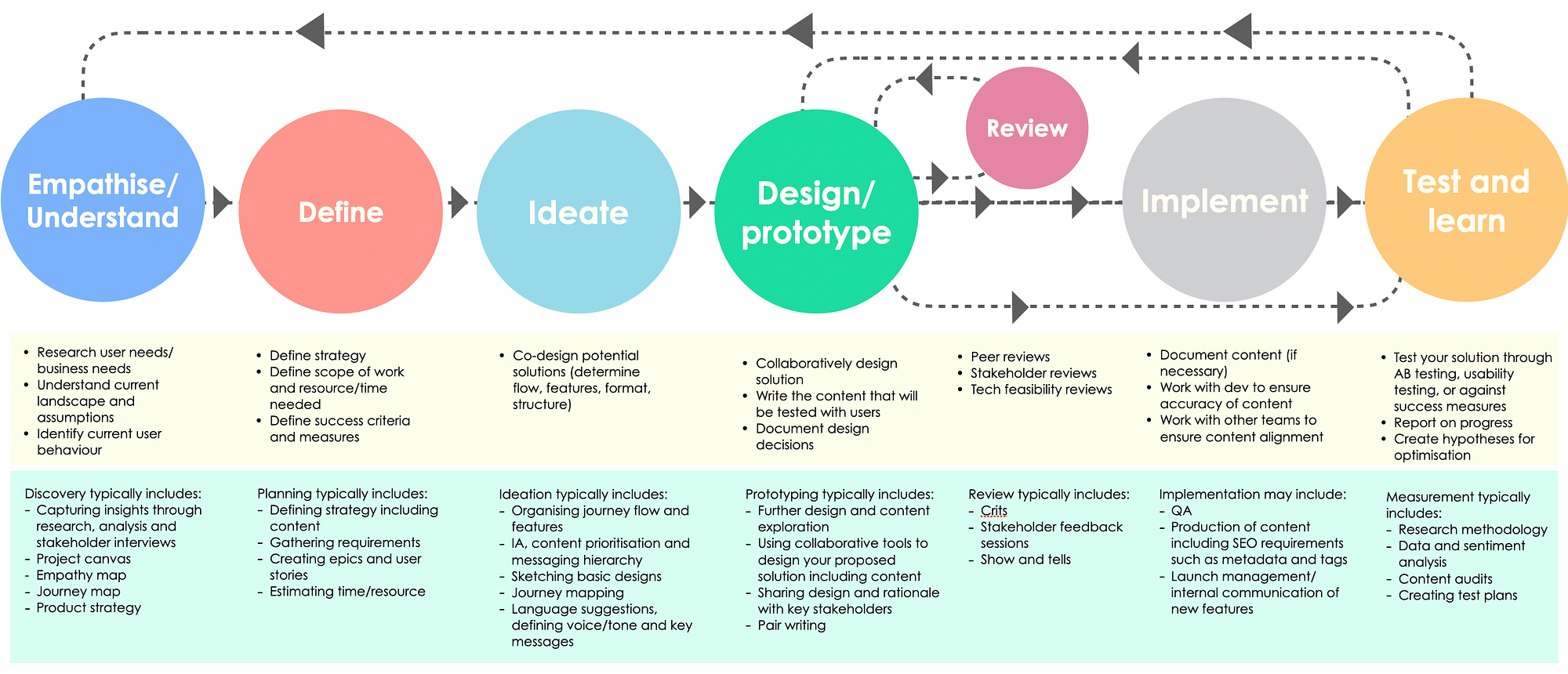
With all that accounted for, design is absolutely both discursive and conversational. Both the idea of discourse and the act of conversation are crucial to the design process. They allow designers to grasp ideas and concepts, understand clients, gain a deeper, more knowledgeable understanding of their work/projects, and determine the best way to approach projects. Whether with a client, user, or fellow designer, design would be impossible without analytical, thoughtful discourse and more general conversational communication.


Leave a Reply