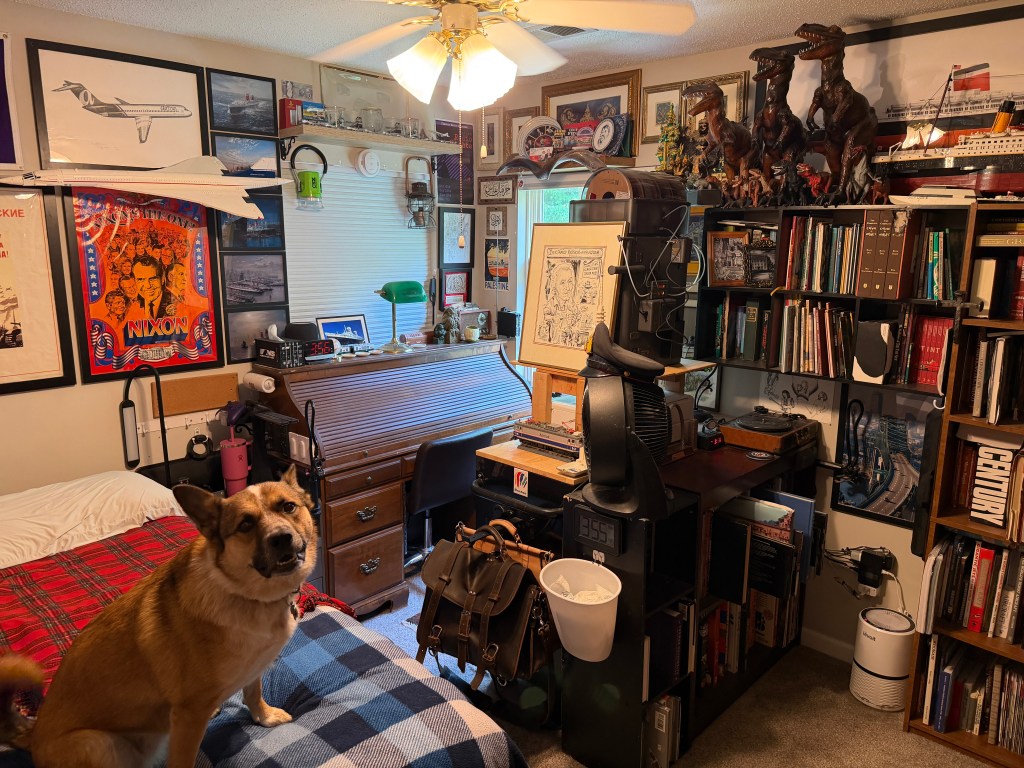
This week’s reading (the first 103 pages of Make Space by Scott Doorley and Scott Witthoft) resonated strongly with me. I place a tremendous amount of value on the appearance and functionality of my spaces, particularly my bedroom. Fueled by an unquenchable need for organization, flow, and order, supplemented by an inability to relax if I feel my space’s design is anything less than ideal, I often find myself working for days and weeks on perfecting every aspect of the worlds in which I dwell. In particular, I often struggle with trying to compensate for future changes and patterns of use.
For example, when designing my current living setup, I needed to take into account the essential items I wanted placed in my room, their locations (and the reasoning/ flow behind those locations), how they would look and function within their surroundings, and the potential for any item upgrades or changes down the line. I wanted my space to be organized into corresponding areas, with an old letter desk anchoring a work environment, a bookshelf anchoring a library/ collection environment, and my bed as a central fixture around which the entire space must function. I planned for easy, convenient access to anything I may need in any area of the room.
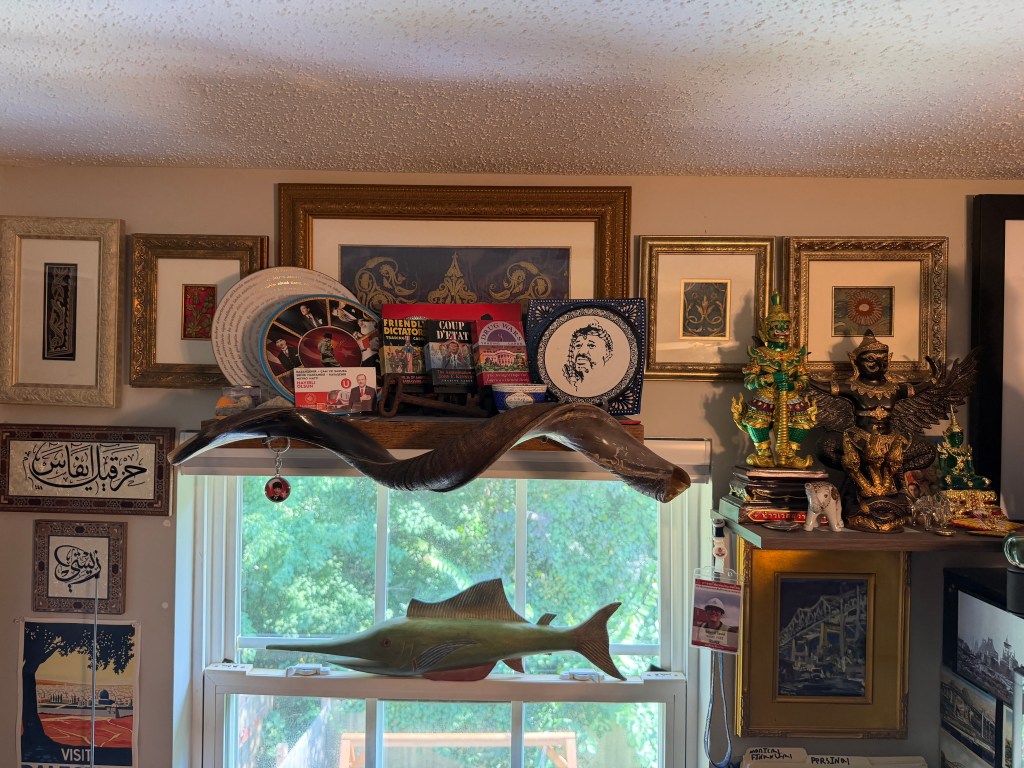
Within each space, absolutely everything has some sort of systematic organizational structure to which it adheres. The result is a living space that, while functional, almost feels scientific in its intentionality. To compensate, my room is also highly decorated with things I love, organized by size, theme, etc. This certainly helps bring my living space to life, but it can still feel suffocating, particularly when I want to make an addition. Changes to my living space often require reworking entire segments of the room, a tiring and laborious process. Still, the constant chase and possibility of a perfect space keep me going, and many times I have come close.
Obviously, I’m a bit obsessive over how I organize my living space. To minimize time spent on needless adjustments, I often experiment with different design/decoration philosophies.
Make Space focuses on designing rooms/ spaces for behavior rather than appearance, emphasizing flexible design choices that allow spaces to adapt to users’ needs and uses. A space should be able to adapt to how its users feel most comfortable interacting with and using it. There is never a finished room, but rather one that constantly adapts to best fit its user’s needs. Good spaces are designed with flexibility and behavior/purpose in mind.
Whenever I have to design a space for myself, I struggle with the concept of permanence. I chase a perceived perfection/ end point and, as a result, seem to make my life much more difficult by constraining myself to a final version of my space. Of course, there’s no such thing.
As we change, so do our spaces and how we want and need to use them. Small changes in furniture, decorations, layout, or functions can drastically alter how we use and need our spaces to work, while more abstract concepts of purpose, feeling, and environment constantly evolve, requiring that our spaces do the same.
Everyone decorates very differently. Some decorate for stories, personal experiences, or practicality, while others’ decorations are motivated by feeling and environment. Online, there are entire communities dedicated to achieving perfection within different kinds of spaces in different kinds of ways. Others offer advice on how to improve spaces to create a nicer living environment or better decoration and design choices to achieve specific aesthetics. It’s fun to see the different creative ways these creators blend design, feeling, and my favorite, organization, all together to create places that matter to them. Do I agree with their choices? Not always, but I love seeing what others have done with their space… particularly when they are building or creating these things themselves.
Of course, when it comes time to replicate these videos, it’s a lot harder than it looks. I can organize to my heart’s content, but that seldom translates into a more pleasant or practical space overall. Being able to conveniently locate anything you need is certainly an amazing plus, but this level of detail seems to come at the cost of the flexibility and fluidity of space that Make Space is talking about.
As I write about space, what I’ve learned from the reading, and my own experience as someone who cares very deeply about his space and values the effort it takes to make it, and as someone who likewise struggles with bringing visions of perfection to life and maintaining them, I find myself both anxious and equally enthralled about the spaces I may have in the future.
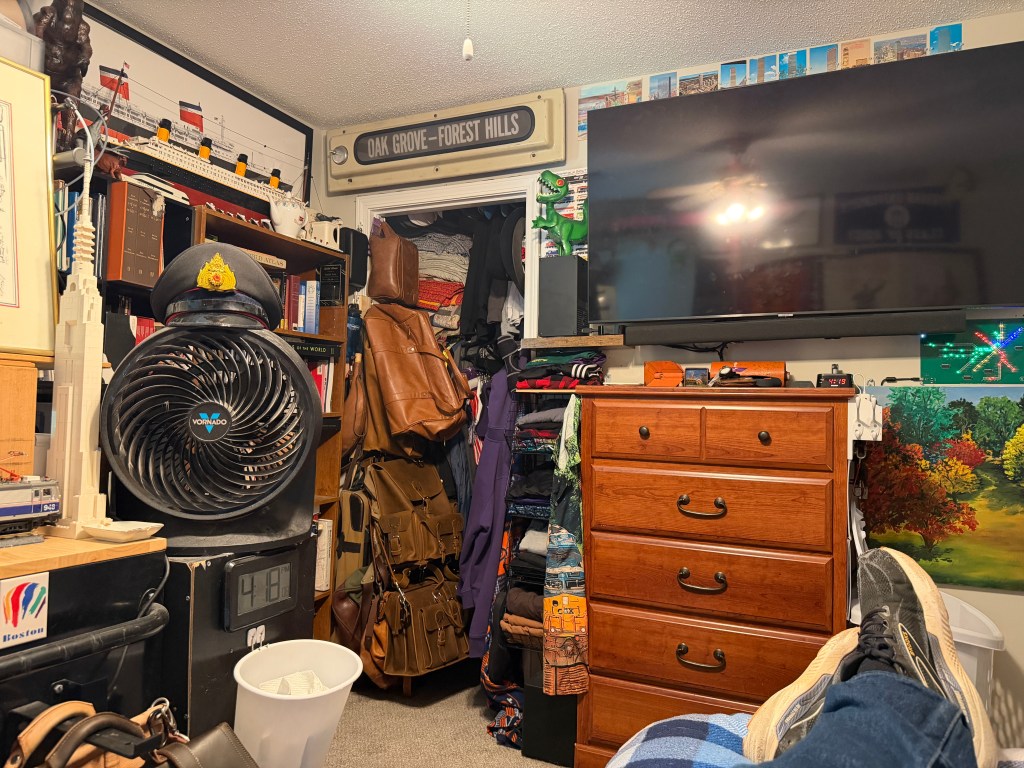
I will be moving out of my current room in a year, and depending on where I end up, I will hopefully have a new space to organize, plan, and populate. As someone who treats their space as an extension of their personality and a practical, essential tool, the thought of rebuilding my room all over again is exhausting. As worth it as it feels in the end, the effort I put into making these spaces is tremendous and, if Make Space is to be believed, not always entirely worth it.
I think my biggest struggle could also be my greatest asset if I learn to adapt to it and become comfortable with it. Planning for behavior and embracing change/a lack of permanence could change everything for the better. I can still achieve the same meticulous level of organization while also accounting for the fact that the space has to actually be lived in and used. Deep down, I know a middle ground between my current design philosophy and Make Space’s exists, but actually enacting this will be a challenging transition.
As stated previously, to me, my space is the ultimate extension of myself and my personality. It’s a flagship of everything I am and everything that matters to me… kind of a mood board you live inside. It’s a testament to all things myself, but I have to embrace the fact that, like myself, my space, being an extension of myself, must be allowed to adapt and change along with me and must have the flexibility to do so. I can’t set everything in stone. It’s that flexibility in adapting to behavior that turns spaces from just places into places people actually want to be and function in. I think that if I can embrace this, my next space will be my greatest home achievement yet.


Leave a Reply