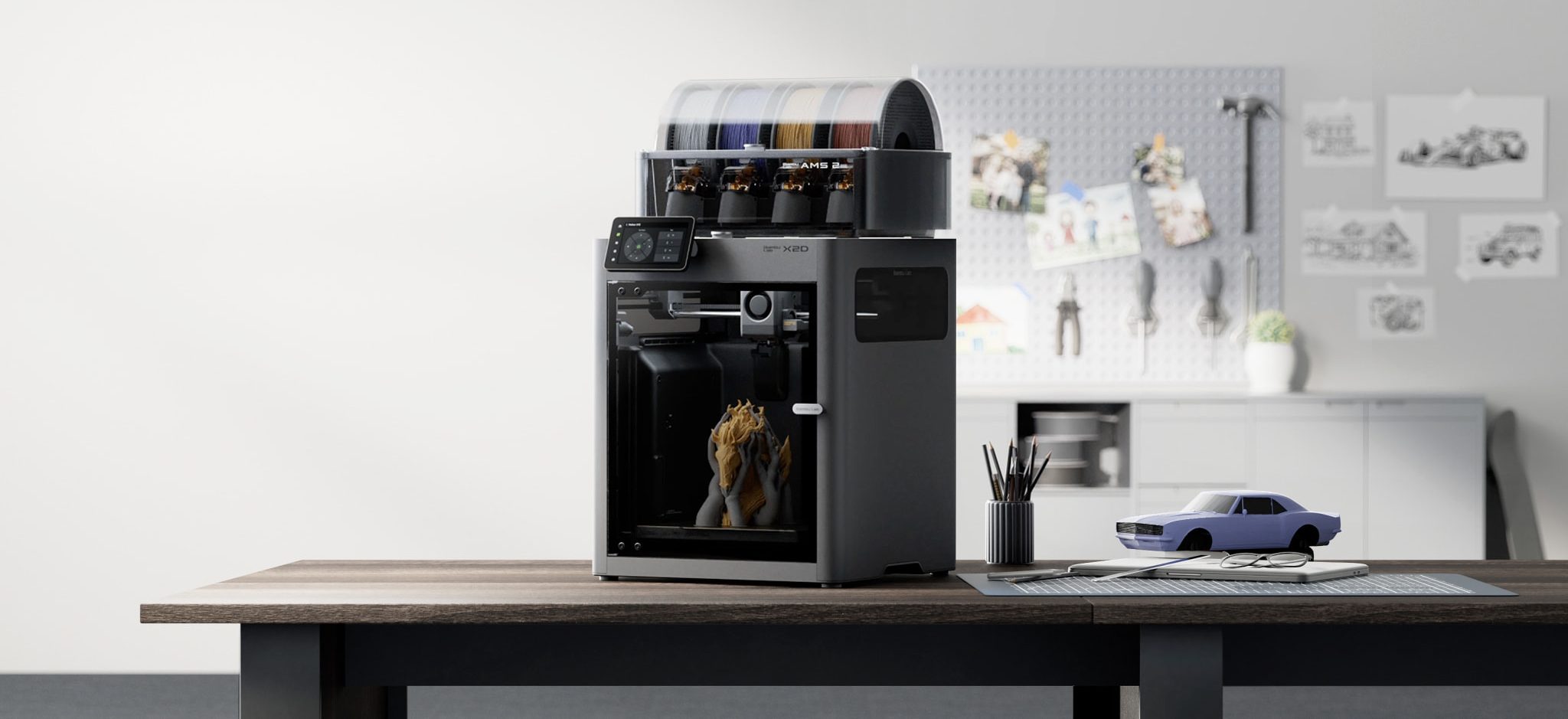
I recently acquired a Bambu Lab 3D printer to assist with my various projects and ideas. I had been searching for a 3D printer for a long time; however, finding the right one was an odyssey.
3D printers come in all shapes and sizes, each with its own unique advantages, disadvantages, and capabilities. Finding the right printer for your needs is a balancing game between functionality and usability. The best 3D printers can do almost anything; however, they can also be extremely difficult to use. Many are designed primarily for industry professionals with engineering backgrounds, the kinds of people who like to tinker with their machines.
For years, this steep learning curve was one of the biggest barriers to entering the 3D printing space. You could get a machine, but there was no guarantee you could actually use it.
I ran into this issue time and time again while searching for a printer. It was deeply discouraging because I felt so much potential was being wasted on poor UX design, not to mention that most printers just don’t look that appealing.
Bambu Lab changed the game (not to sound like an advertisement). They took state-of-the-art printing technology and re-engineered it to be both visually appealing and extremely easy to learn and use. Taking cues from Apple, Bambu created a printer that looks fantastic, works reliably, and is extremely user-friendly. Bambu designs and manufactures everything to work together, from the hardware to the software. The printer’s physical design balances functionality and visual appeal. They took the visual excitement of a 3D printer and turned it into something that feels worthy of a permanent place in your workspace.
The printer’s design also creates an intuitive user experience. Everything is controlled from a conveniently placed touchscreen. The printer relies on the same commonplace controls you would find on any other modern piece of technology, keeping the more complicated features in an easy-to-navigate interface.
I like using my Bambu printer not only because of what it can do, but primarily because it provides an easy and pleasant user experience. The printer looks great and functions great. I’m not worried that I’m going to break something if I move it or jostle it slightly. I’m happy to keep it on my desk as a permanent fixture because of its visual appeal.
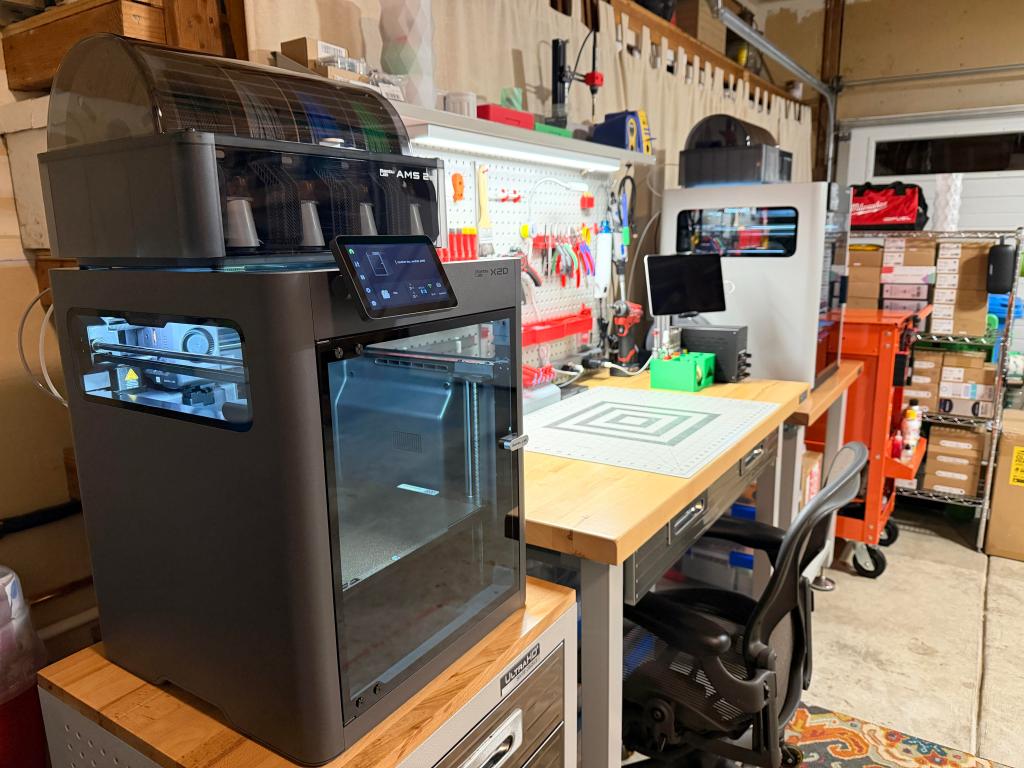
This week, we started reading Emotional Design and learning about why attractive things work better. While reading, I immediately thought about my 3D printer. 3D printing is the ultimate example of something that can be extremely functional but also unattractive and intimidating without a serious cosmetic makeover. Bambu was one of the first companies to do the design work needed to make a printer that looks better and, as a result, feels better to use than many alternatives.
I attribute the Bambu printer’s visual appeal, both functional and aesthetic, directly to the company’s success. Bambu is often compared to Apple because its products are user-friendly and visually well-designed. Through thoughtful design, they took a complicated but extremely promising technology and repackaged it to make it more accessible to the average user, thereby opening the floodgates to 3D printing.
3D printing still has a learning curve, and it can still be a challenge at times. But it’s a lot more comfortable to solve these problems on a machine that looks good, works well, and is intuitively designed and easy to operate. The challenges of 3D printing are greatly diminished simply by making the printers look better, feel less intimidating, and appear less fragile or easy to damage.
I definitely agree that, in many cases, attractive things function better. To me, this also illustrates the difference between engineered solutions and design solutions. Engineered solutions are meant to solve a problem. Design solves the problems that remain within the engineered solution, making it something practical, usable, and attractive. Design tells the solution’s story to the user and guides them through the experience of using it. Engineering solves the initial problem, but design makes the solution work for people.


Leave a Reply