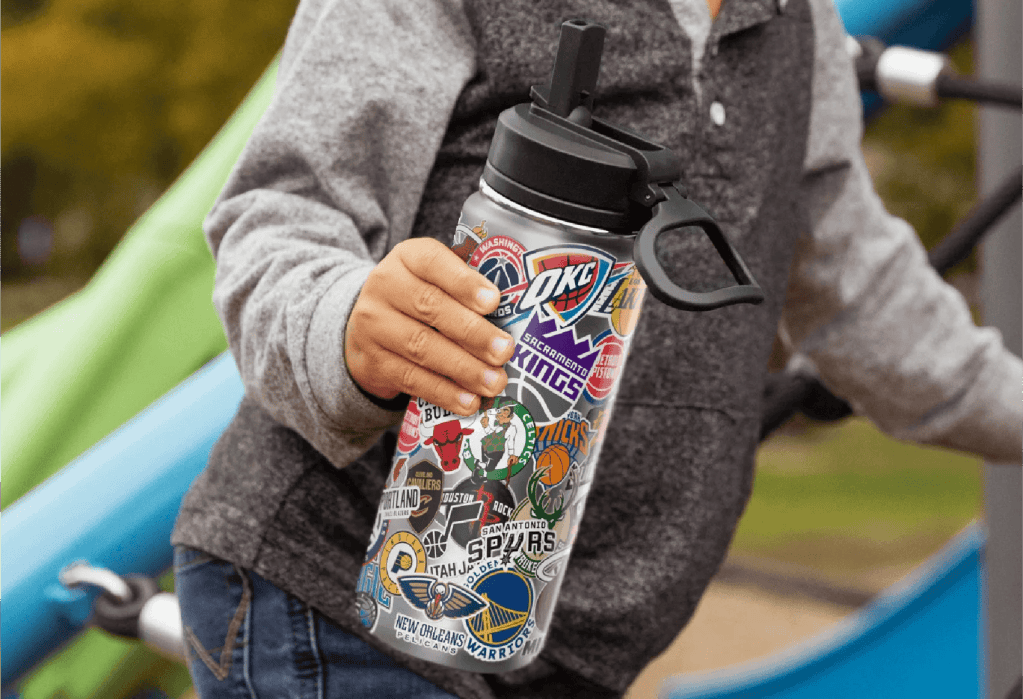
In a prefabricated, manufactured world, the concept of customization and DIY feels delightfully rebellious. I have a friend who’s super into stickers of all varieties. Everything they own is plastered with stickers, which act as an outward expression of that friend’s identity. Another friend likes to customize their cars. If they feel that a feature is lacking or isn’t exactly what they’re looking for, they will drill, rewire, and reimagine their entire dashboard to get just the layout they want. Other people like to jailbreak their phones’ operating systems to gain a more personalized experience with their electronic devices. Some of the coolest of these customization crusaders are the people who have learned various skills, such as carpentry, welding, electrical work, or mechanics… Skills that allow them to bring even their most imaginative customization dreams to life.
It seems like half the fun of purchasing an item is the challenge and thrill of making it your own. While many manufacturers offer customization options straight off the assembly line, these are seldom enough to deter elaborate plans for personalization. Indeed, entire communities and cultures have formed around customization. Emotional Design talks about motorcycles as a prime example of a factory-produced item that has an entire customization industry built around it and its culture, but motorcycles are certainly not alone. Electronics, vehicles, tools, furniture, etc, all have profoundly impactful maker communities built around their respective products.
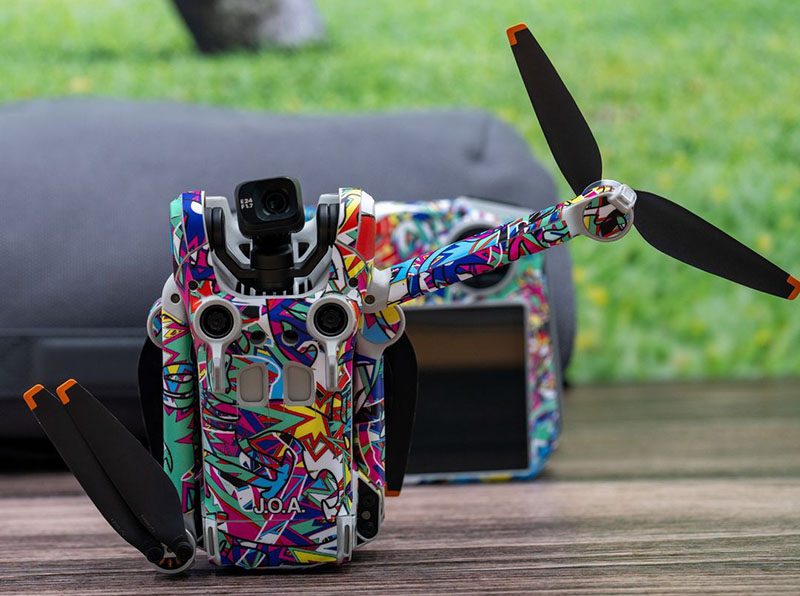
In a manufactured world, customization helps you claim something you need and transform it into something that represents you. Which items are worthy of this transformation varies from person to person, but regardless, almost everyone has something they want to customize.
We make design choices through what we buy and how we express ourselves through those choices. But we also make statements through how we interact with those items. Most mass-produced things are not meant to be drastically altered or changed, but that doesn’t stop people from doing it anyway.
Customization feels like rebellious design for the self. It’s our way of taking the standard and using it to break the mold for ourselves. We project our personalities through these objects… Telling others both who we are and what we are capable of through our modifications. Of course, different people take this to different extremes, but the end result is the same: we are putting our own stamp on mass-produced objects to claim them as uniquely ours.


Leave a Reply