In chapter two of Emotional Design, Don Norman spends time discussing objects that evoke memories. Positive or negative, intentionally designed objects in our world evoke memories and emotions that often override their basic design features. Norman argues that it’s not the object in the present that matters, but rather its history of interaction; the relationship the user has built with said object over a substantial period of time.
Norman continues by discussing the value and importance we place on objects that may have poor design features but have, for one reason or another, become invaluable through time and nostalgia. This got me thinking about one of my favorite MASD projects. I had to make a 1930s mystery box featuring different graphic elements meant to evoke a certain time and place. No one in my program was alive back in the 1930s to have any personal relationship with the items I was recreating. Yet, everyone was familiar with them and seemed to have a nostalgic relationship with them.
I want to expand on what Norman says about nostalgia, memory, and design. In the context of my project, I was not designing my objects to be the best versions of what they could be by today’s standards. For example, I wanted to simulate an old voice recording played on a phonograph. As I’m sure anyone can ascertain, phonograph recordings are not known for their quality… Yet, as technology has advanced and left phonographs far behind, it seems that their value as a medium has increased. Not for their quality of sound or efficiency, but for that unique nostalgic element they bring.
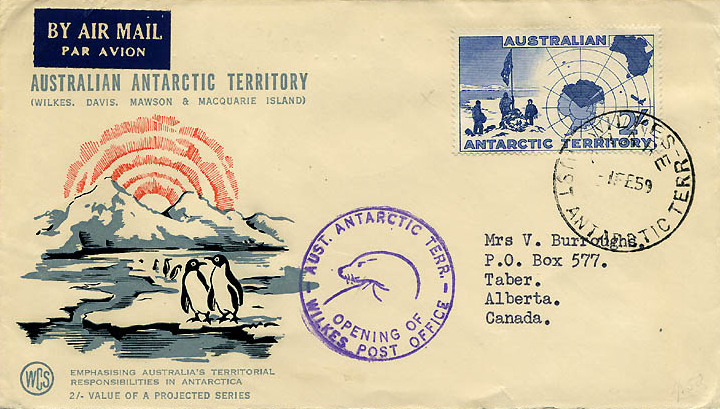
The same could be said for writing letters. My project featured numerous old airmail envelopes with letters inside. Certainly, there are better ways to communicate, but what’s cooler than handling a physical envelope?
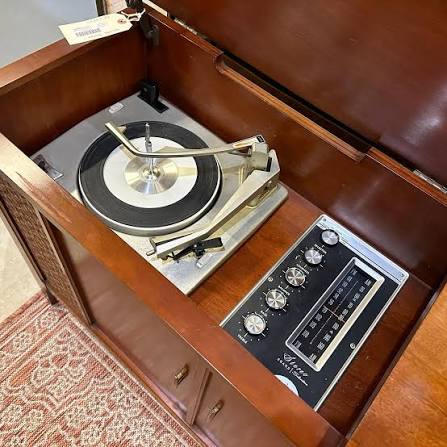
I’ve recently been reading a book written by a friend, all about the love of analog. The central question this book poses is: Why do we love things that are often less efficient, degrade over time, and can sometimes be more complicated than their digital counterparts? What is it about listening to a vinyl record, writing a letter, or reading a physical book, all things that can be easily damaged or have their intended purpose and experience negatively altered, that captivates us so much?
In the context of my project, I feel part of the answer is this idea of collective memory. After a certain period of time, things that were once obsolete suddenly gain nostalgic status.
My MASD project was filled with items designed for a long-since-past age. Yet, when I presented my project, everyone knew more or less what the items were and how to use them… And more importantly, everyone enjoyed the experience of interacting with the items.
Emotional Design talks about an experience involving some sort of drawing stylus set. In the example, the initial reaction to the set goes from excitement to frustration as memories of how difficult these sets were to use are conjured up. But regardless of the eventual negative reaction, everyone still experienced a positive bit of nostalgia… They thought about the feelings and sensations that using these items evoked.
In design, nostalgia is an extremely powerful force to be reckoned with. It keeps obsolete things relevant, makes the old new again, and seems to form a kind of collective memory. As time passes, the subtleties of actually using something old day-to-day fade away, only to be replaced by a vague feeling of what once was.


Leave a Reply